
If you searched for VWA crypto after seeing it on social media, you should know what you’re looking at before you look at the price chart.
VWA — full name Vanguard — is a real token on the Solana blockchain. But a large share of the attention it received came from claims that turned out to be fabricated, and the project’s own identity is contested: its website describes a serious asset-tokenization platform, while major crypto data sites categorise it as a meme coin.
This article covers what VWA actually is, what happened during its launch, and — more usefully — how to evaluate any token that arrives with this much noise attached.
What VWA crypto claims to be
VWA presents itself as a real-world asset (RWA) tokenization project. The idea behind RWA tokenization is legitimate and genuinely interesting: take a physical asset like a gold bar, represent ownership of it as blockchain tokens, and let people buy fractional shares of something they could never afford whole.
According to its own materials, VWA aims to tokenize gold, silver, gemstones and luxury collectibles, with fractional ownership, liquidity rewards for participants, and eventual token-holder governance. It runs on Solana, trades on the Jupiter decentralised exchange, and is held in wallets like Phantom.
Solana is a reasonable technical choice — fast, cheap transactions. Serious institutional RWA products, including offerings from Ondo Finance and BlackRock’s tokenized fund, have deployed on Solana for the same reasons. The chain isn’t the concern here.
What actually happened at launch
VWA launched on 4 October 2025 and became one of the most-discussed tokens on crypto social media within days.
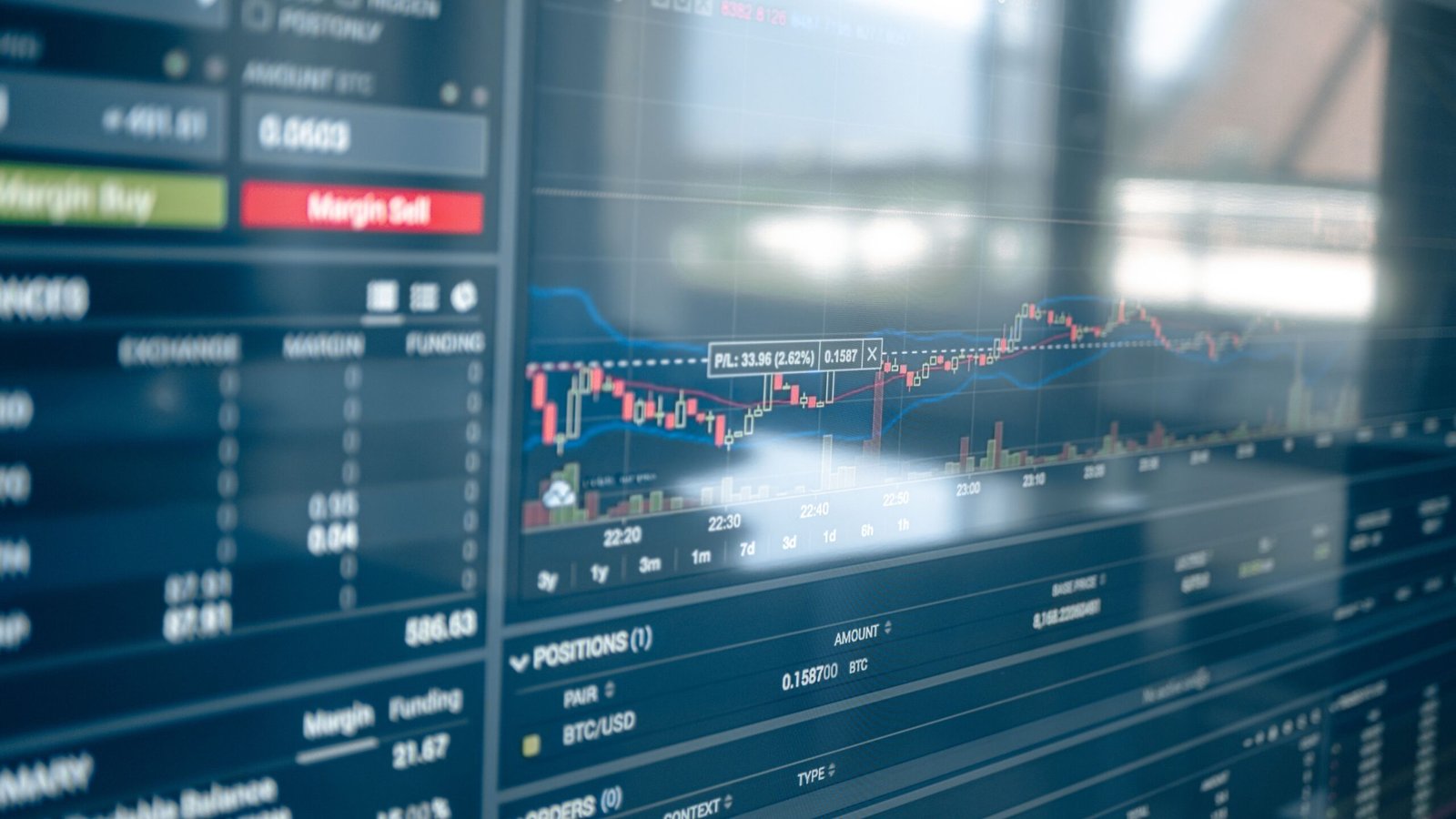
The price behaved the way tokens driven by attention rather than usage typically behave. It reached roughly $0.0075 shortly after listing, with daily trading volume frequently above $1 million on Jupiter. Market capitalisation sat around $7.7 million in early October 2025 — small, by any standard. Then came corrections exceeding 50% from peak levels.
Analysts reviewing the period concluded that price movement was driven overwhelmingly by retail trading activity rather than any measurable adoption of the platform itself. That’s the pattern worth recognising: volume without usage.
The Simpsons claim was fabricated
One of the most-searched questions about VWA is whether The Simpsons predicted it. The answer is no.
In early October 2025, edited images and videos circulated claiming an episode had foreshadowed the token’s rise. Independent analysis confirmed the images were fabricated — the episode cited contains no cryptocurrency references of any kind.
This matters beyond the specific claim. “The Simpsons predicted it” is a recurring template in crypto promotion precisely because it’s fun, shareable, and impossible to check quickly. When you encounter it, treat it as a marketing signal rather than information.
The Vanguard name problem
The token is named Vanguard. Vanguard Investments is one of the largest asset managers in the world, overseeing trillions of dollars.
They are entirely unrelated. Vanguard Investments has confirmed through multiple channels that it has no affiliation with this project. Claims circulating during the launch that suggested backing from Vanguard, or from Ripple, were false.
Borrowing the name of a trusted financial institution is a well-worn tactic. It isn’t necessarily illegal, and it isn’t proof of bad intent — but a project confident in its own merits generally doesn’t need the reflected credibility of an $8 trillion firm it has no connection to.
Meme coin or asset platform?
Here’s the contradiction at the centre of VWA. Its official presentation is a serious RWA platform targeting the enormous market for tokenized gold and luxury assets. Its community presence has leaned into meme-coin conventions — pixel art, “to the moon” rhetoric, viral campaigns. CoinMarketCap categorises it as a meme coin.
Both things can’t really be true at once. Tokenizing physical gold requires custody arrangements, audits, legal structures in multiple jurisdictions, and regulatory clearance. That’s slow, expensive, unglamorous work. A project genuinely doing it looks very different from one going viral on edited Simpsons screenshots.
That gap between stated mission and observable behaviour is the most useful signal available.
How to evaluate any token like this
Forget VWA for a moment. This checklist applies to every token that shows up in your feed with sudden momentum.
Can you name a specific person accountable for it? Anonymous teams aren’t automatically fraudulent — Bitcoin’s creator is anonymous — but anonymity plus financial promises plus a request for your money is a poor combination.
Does the claimed use case actually require a token? Many projects bolt a token onto an idea that would work fine without one. If the token exists mainly to be sold, that tells you what it is.
Is there a working product, or only a roadmap? For an RWA project specifically: which assets are actually custodied right now? Which auditor verified them? If nobody can answer, nothing is tokenized yet.
Where is the volume coming from? High trading volume with no user growth means people are trading each other, not using anything.
What does the promotion rely on? Celebrity association, fake endorsements, “predictions,” countdown urgency — these are entertainment tactics, and entertainment tactics tend to accompany assets with no fundamentals to discuss.
Who benefits if you buy? Check the token distribution. If a small number of wallets hold most of the supply, your purchase provides their exit liquidity.
Regulators publish useful guidance on exactly these patterns — the SEC’s Investor.gov resources on fraud red flags are worth reading once and remembering permanently. This same thinking underpins the most common crypto investing mistakes beginners make.
What usually happens after the hype fades
Tokens that rise on attention rather than usage tend to follow a recognisable arc, and knowing it helps you judge where any given project sits.
The initial spike. Driven by social media momentum. Early buyers see fast gains, which produces screenshots, which produces more buyers. Nothing about the underlying project changes during this phase.
The correction. Early entrants take profits into the buying pressure created by late arrivals. Drops of 50% or more from peak are routine, and they happen faster than most people can react.
The plateau. The token settles at a fraction of its high with thin liquidity. This is where the real test sits: does development continue, do the promised products appear, do exchanges list it? For most attention-driven tokens the answer is no, and the project quietly stops posting updates.
The long tail. A small community continues holding, periodically anticipating a revival. Trading volume declines toward nothing. The token doesn’t vanish — it simply stops mattering, which is harder to notice than an outright collapse.
A minority of projects break this pattern by actually building something. They’re identifiable because their activity during the plateau phase looks like work rather than marketing: shipped features, audits published, partnerships that name real counterparties.
The practical lesson is about timing. By the point a token reaches your feed, the spike phase is usually well advanced. Buying at that moment means providing exit liquidity to people who arrived earlier — not because anyone conspired against you, but because that’s how attention-driven markets distribute gains.
None of which tells you where VWA specifically ends up. It does tell you which phase to check for before deciding.
What legitimate RWA tokenization looks like
Real-world asset tokenization is a genuine and growing area, which is exactly why speculative projects attach themselves to the label.
Institutional efforts in this space share certain features: named institutions with regulatory registrations, published custody and audit arrangements, disclosed legal structures, and — notably — no viral marketing campaigns. They’re often deliberately boring. Returns are modest and defined rather than explosive and hypothetical.
If tokenized real assets interest you, that’s the part of the market worth studying. The underlying idea doesn’t need hype to be worthwhile, and the projects executing it properly generally aren’t trending on social media.
If you already hold VWA
No article can tell you whether to sell a position — that depends on your entry price, your holdings overall, and your tolerance for loss. But a few practical points:
Only hold what you can afford to lose entirely. This is standard crypto advice and it applies with particular force to small-cap tokens whose price is set by sentiment.
Understand your exit. Low-liquidity tokens can be far harder to sell than to buy, and selling a meaningful position can move the price against you.
Keep records. Crypto disposals are taxable events in most countries, including the US, UK, Canada and Australia, and losses may be usable to offset gains — but only if you documented them.
Secure whatever you hold properly. If you’re using a browser-based wallet, review how crypto wallets work and which suit beginners before you have anything worth stealing.
Frequently asked questions
Is VWA crypto a scam?
It isn’t accurate to call it one — it’s a real token that trades on real exchanges. What’s documented is that fabricated claims drove a substantial part of its early attention, its categorisation is disputed, and its price has been highly volatile. Treat it as speculative and unproven rather than assigning a label nobody can verify.
Did The Simpsons predict VWA?
No. The circulated images were fabricated and the cited episode contains no cryptocurrency content.
Is VWA connected to Vanguard the investment firm?
No. Vanguard Investments has confirmed there is no affiliation.
Where does VWA trade?
Primarily on Solana decentralised exchanges such as Jupiter, held in Solana wallets. It has not had the major centralised exchange listings that typically follow institutional confidence.
The bottom line
VWA crypto is a small-cap Solana token whose rise owed more to viral marketing — some of it demonstrably false — than to any verified product.
The genuinely valuable takeaway isn’t about this one token. It’s the pattern: a real-sounding mission, a borrowed name, fabricated endorsements, volume without adoption. That pattern repeats constantly with different tickers, and recognising it is worth far more than any single price prediction.
If you want exposure to crypto, the boring approach — established assets, position sizes you can afford to lose, secure storage, and a long horizon — has served people considerably better than chasing what’s trending this week. Our guide on how to invest in cryptocurrency safely covers that groundwork.
Sources
- SEC Investor.gov — fabricated endorsements, fake institutional backing and promotional fraud patterns
- FCA — UK guidance on crypto promotions and risk warnings
- IRS — crypto disposals as taxable events
Vanguard Investments has confirmed it has no affiliation with this project. Price, volume and market capitalisation figures come from public blockchain and market data at the time of writing, and change constantly. The Simpsons claim was assessed by independent fact-checking rather than by us.
Last reviewed: 15 August 2026. Token prices and project claims change rapidly — figures here are a snapshot.
This article is for information only and is not investment advice. Cryptocurrency is highly volatile and you can lose your entire investment. Details described here reflect reporting available at the time of writing and may have changed. Do your own research and consider speaking to a licensed adviser.