Invest £1,000: What It Actually Buys You
Most guides tell you which fund to buy. The better question is whether you should invest £1,000 at all — and what it realistically becomes if you do.

Beginner-friendly investing guides covering stocks, ETFs, index funds, retirement accounts and passive income — with the real numbers behind returns, fees and risk.

Most guides tell you which fund to buy. The better question is whether you should invest £1,000 at all — and what it realistically becomes if you do.

£30,000 for £100 a month at 4%. The arithmetic behind passive income investments, why chasing yield doesn’t fix it, and what to do if you don’t have the capital.
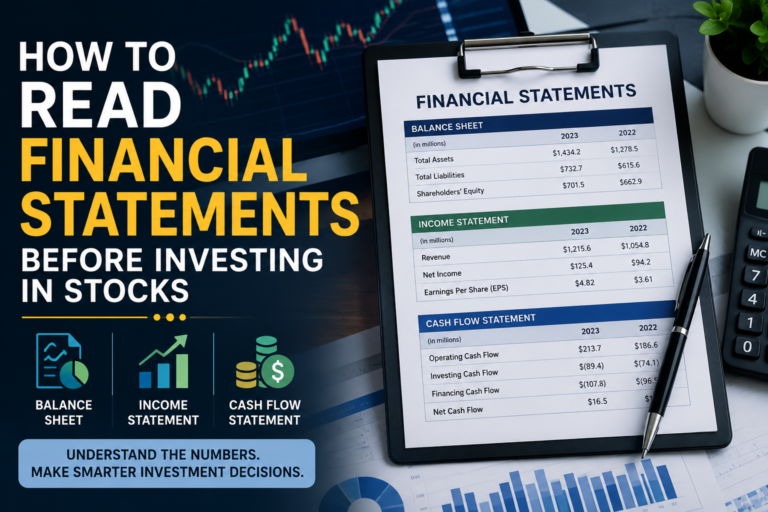
Buying a stock without checking the company’s numbers is a little bit like buying a used car without popping the hood; you might be ok for a while, but you truly have no idea what’s happening under there. That’s why learning how to read financial statements can be one of the most valuable skills a…

Retiring early is like a dream people whisper about, mostly for lottery winners or tech millionaires. But the reality is way more plain than all that. With the right early retirement planning strategies, a normal person with a normal paycheck can create a setup where work turns into optional, not something you’re forced into every…

The word “recession” by itself is enough to make most people nervous. Headlines drag up layoffs, falling stock prices, and smaller paychecks, and it’s kind of normal to want to yank your money out and hide it under the mattress. But here’s the truth: figuring out how to invest during a recession can, weirdly enough,…
Picking the right index fund comes down to choosing the right car engine for long drives, not predicting the race winners. The Best Index Funds would not be those that have generated the biggest gains in the past, the most popular funds, or the cheapest funds one may find on the Internet. Ideally, the best…
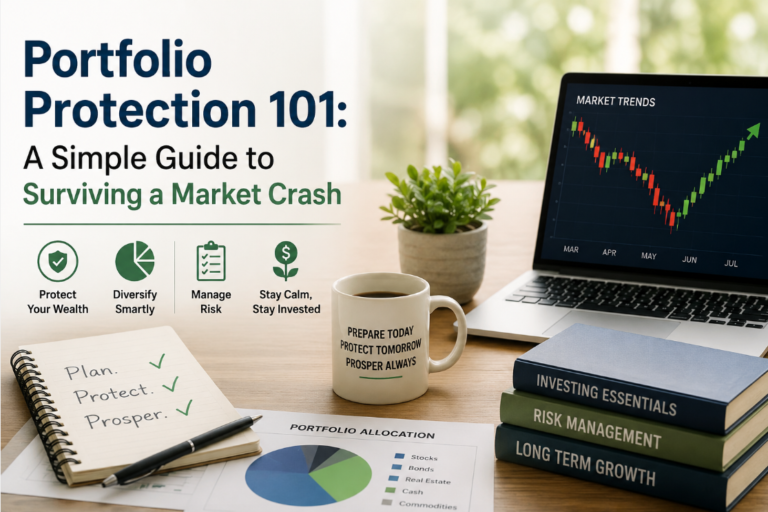
A declining market does not usually destroy a well-thought-out plan. However, real damage is usually caused by panic-induced behaviour, liquidating investments that should have been held for the long term to pay for current expenses, forgetting about diversification because of declining prices, or seeking an unknown shelter. Portfolio Protection starts with eliminating those circumstances that…
Market uncertainty might arise from factors such as inflation, recession concerns, a weak currency, banking problems, geopolitical tensions, or sudden interest rate fluctuations. In times like these, people tend to look to Gold ETFs for safety, since they do not rely on earnings from a particular company or on the borrower’s ability to repay. However,…

When most people decide to start investing, they quickly run into the same problem: too many choices. Should you buy individual stocks? Invest in real estate? Put your money into mutual funds? Try to find the next big technology company before everyone else does? For beginners, this flood of information often leads to one of…

The investing vs saving question gets answered badly because people treat it as a competition. It isn’t. Saving and investing do different jobs, and the real question is how much money belongs in each — and in what order. Get the order wrong and you end up either watching inflation quietly erode a large cash…