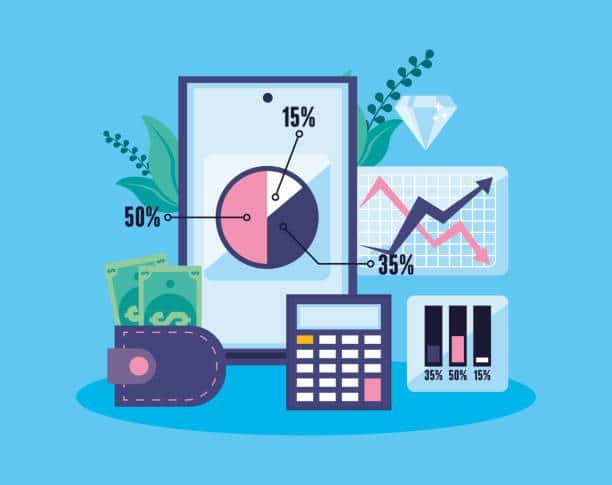
The 50/30/20 Budget Rule: Where It Works and Where It Breaks
The 50/30/20 rule is mathematically impossible in most expensive cities. How it works, where it breaks, and what to use instead when housing takes more than half your pay.

Practical money management for everyday life — budgeting, saving, emergency funds, paying off debt and building habits that grow your net worth over time.

The 50/30/20 rule is mathematically impossible in most expensive cities. How it works, where it breaks, and what to use instead when housing takes more than half your pay.

Getting fired or losing a job can be one of the most stressful events in life. Along with the surprise itself, it can cause a serious money crunch regardless of whether you thought you were financially safe before. Many people often ask themselves, “What happens if you lose job, and how to pay for such…
The personal finance app market changed permanently when Intuit shut down Mint in January 2024. Mint was free, dominant, and used by millions — and when it disappeared, the replacements that filled the gap were almost all subscriptions. That’s the context worth holding onto. The question in 2026 isn’t which app has the most features….

An emergency fund is the piece of financial planning that makes everything else possible. Without one, a single unexpected bill becomes credit card debt, or forces you to sell investments at whatever price the market offers that week. Here’s how much you actually need, where to keep it in the USA and Canada, and how…

UK households have absorbed several years of rising costs, and the standard budgeting advice — track your spending, cancel subscriptions — only goes so far when the increases are in energy, council tax and rent. This guide covers the UK-specific levers that actually move the numbers, including two schemes that are widely available and widely…

Family finances in the US are less about earning more and more about using the accounts already available to you. A household earning $90,000 that uses the employer match, an HSA and a 529 will end up substantially ahead of one earning $110,000 that uses none of them. Here’s the practical order, built around the…

Most passive income lists mix together two completely different things: income you buy with capital, and income you build with years of work. Only the first is genuinely passive. The second is a business that eventually needs less attention. Sorting them properly changes which one you should start with — and it depends almost entirely…

Saving during inflation is harder for an obvious reason and a less obvious one. The obvious one: everything costs more, so there’s less left over. The less obvious one: your target keeps moving. An emergency fund sized three years ago covers noticeably less time today, because the expenses it’s meant to cover have risen. Here’s…

The gap between what most people earn on savings and what they could earn is larger than almost any other easy financial win. The FDIC puts the national average savings rate at 0.38%. The best high-yield savings accounts in August 2026 pay around 4.15% to 4.20%. That’s roughly eleven times more, for the same money,…