Emergency Fund Guide: How Much You Need, Where to Keep It, and How to Build It Faster

An emergency fund is the part of personal finance that makes everything else possible. Without one, a single unexpected bill becomes credit card debt, or forces you to sell investments at whatever price the market offers that week.
This guide covers the whole job in one place: how much you actually need, where to keep it in the US, Canada and the UK, how to build it faster when prices keep rising, and what to do if the emergency is losing your income altogether.
How much you need
The usual guideline is three to six months of essential expenses. The range is wide because circumstances differ:
| Your situation | Sensible target |
|---|---|
| Stable salary, two incomes, no dependants | 3 months |
| Single-income household | 4–6 months |
| Dependants or a mortgage | 6 months |
| Self-employed, freelance or commission-based | 6–12 months |
| Specialised role with long job searches | 9–12 months |
Count essentials only: housing, utilities, food, transport, insurance, minimum debt repayments and childcare. Restaurants, subscriptions and holidays stop in a real emergency. For most households essentials are 60–70% of normal spending, which makes the target smaller than it first looks.
Then recalculate every year. Inflation moves the target. If essentials were $2,500 a month three years ago and are $2,900 now, a $15,000 fund has quietly shrunk from six months of cover to about five — without you spending a cent. Re-run the sum whenever rent, mortgage or insurance renews.
Start with a starter fund — and get the order right
Six months of expenses is daunting enough that many people never start. So don’t start there.
First goal: one month of essentials, or about $1,000 / £1,000 — whichever comes first. That covers most real emergencies: a car repair, a broken boiler, an insurance excess, an urgent flight home.
- Starter fund — one month of essentials
- Clear expensive debt — anything above roughly 15%. A card at 22% costs you more than any savings account pays
- Take any employer pension or 401(k) match — it’s part of your pay
- Build the full fund — three to six months, or more if your income is irregular
- Then invest the surplus
Building a full fund while carrying a 22% card balance means earning around 4% on one side and paying 22% on the other. The starter fund is the compromise that stops the next surprise recreating the debt. More on that cost in what card debt actually costs.
Where to keep it
Three tests, in order: safe (no market risk, covered by deposit insurance), accessible (same or next day), and paying a competitive rate.
| Country | Best home for it | Deposit protection | Avoid |
|---|---|---|---|
| United States | High-yield savings or money market account | FDIC: $250,000 per depositor, per bank, per ownership category | CDs for the core fund (withdrawal penalties) |
| Canada | A TFSA holding a high-interest savings account | CDIC: generally $100,000 per category per member institution | RRSP — withdrawals are taxed and the room is lost |
| United Kingdom | Easy-access savings account or cash ISA | FSCS: £85,000 per person, per banking licence | Notice accounts for the first month of cover |
The Canadian detail most people miss: money withdrawn from a TFSA has its contribution room restored on 1 January of the following year. Using the fund doesn’t permanently cost you tax-free space — as long as you hold cash inside it, not investments.
Check the rate, because it decides whether the fund keeps its value. Competitive accounts have recently paid around 4%, against US inflation of 3.5% for the twelve months to June 2026 — a small positive real return. But the FDIC’s national average savings rate sat near 0.38%, and many high-street accounts pay close to nothing. At that rate you lose over 3% of purchasing power a year. On a $25,000 fund, moving to a competitive account is worth roughly $900 a year — the best-paid hour in this guide. Our guide to high-yield savings accounts covers what to compare.
What not to do with it: don’t invest it (shares tend to fall in the same conditions that cost people their jobs), don’t leave it in your current account where it gets spent, and don’t count a credit limit as an emergency fund — issuers can cut limits exactly when your circumstances change.
How long it takes
| Saving per month | To reach $1,000 | To reach $6,000 |
|---|---|---|
| $50 | 20 months | 10 years |
| $100 | 10 months | 5 years |
| $200 | 5 months | 2½ years |
| $400 | 2½ months | 15 months |
Small amounts reach the first milestone surprisingly quickly. A full fund at $50 a month takes a decade — which is why the rest of this guide is about raising the amount, not just keeping the habit.
Six ways to build it faster

1. Automate on payday, not month end. Money moved the day after you’re paid never enters your spending, so you adjust automatically. Money moved at month end is whatever survived — usually less, often nothing. Start with an amount that feels slightly too easy; raise it in three months.
2. Cut recurring costs, not one-off ones. Skipping coffee saves once. Cancelling a $15 subscription saves $180 a year with no ongoing willpower. Worth an afternoon: insurance renewals (never auto-renew), broadband and mobile contracts, unused subscriptions, bank account fees, and your energy tariff. Four of those can free $100–$200 a month permanently.
3. Save the pay rise. When income goes up, raise your transfer by part of the increase before you get used to it. The same goes for any payment that ends — a car loan cleared, a course finished. Your budget already worked without it.
4. Decide windfall splits in advance. Tax refunds, bonuses, gifts, sale proceeds. Agree a rule before the money arrives — half to the fund is one people actually keep. Deciding afterwards almost always favours spending.
5. Separate sinking funds. This is why many emergency funds never grow. Annual costs you can see coming — car insurance, vehicle tax, Christmas, school uniforms, servicing — aren’t emergencies. Save a twelfth of each one monthly into its own pot, so the emergency fund only handles the unexpected.
6. Add income where cutting stops working. There’s a floor to cutting. Overtime, selling things you own and service-based work pay within weeks; content-based routes take far longer. Our guide to making extra money, sorted by how fast it pays covers the options — and remember side income is taxable from low thresholds ($400 of net self-employment earnings in the US; above the £1,000 trading allowance in the UK).

What counts as an emergency
The test isn’t the size of the bill. It’s whether it’s unexpected, necessary and urgent — all three.
Yes: job loss, medical bills, essential car or home repairs, urgent travel for a family crisis.
No: holidays, a sale, an annual premium you knew about, replacing a phone that still works, a wedding you had a year’s notice of. Those are real costs — they belong in planned savings.
If the emergency is losing your income
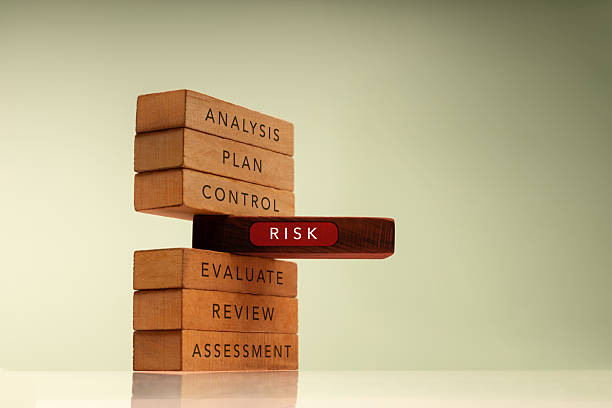
A one-off bill dents the fund. Losing your income for months is what it’s really for, and the first weeks matter most.
- Claim support the same week. Unemployment benefits usually have waiting periods and processing time, so a delay in claiming is a delay in payment. In the US, apply through your state’s unemployment programme; in the UK, check Universal Credit and New Style Jobseeker’s Allowance; in Canada, Employment Insurance.
- Read your severance terms carefully before signing anything — and set some aside, since severance and benefits can be taxable.
- Cut to essentials immediately. Assume the search could take six months even if you hope for two. It’s easier to relax a tight budget than to tighten a loose one in month four.
- Call lenders before you miss a payment, not after. Many card issuers, mortgage lenders and utilities have hardship arrangements, but they’re rarely offered unprompted. Note the date, name and terms of every agreement.
- Keep health cover in place. In the US, compare COBRA continuation with marketplace plans — losing job-based coverage usually qualifies you for a special enrolment period, and marketplace cover can cost less than COBRA.
- Treat retirement withdrawals as a last resort. Early withdrawals usually trigger tax and often a penalty, and the money loses decades of growth.
Losing your job doesn’t itself affect your credit score; missed payments do. That’s why the call to lenders matters so much.
After you use it
Using the fund isn’t failure — it’s the fund doing its job. Feeling bad about it is what pushes people towards retirement accounts or credit cards instead.
- Restart contributions straight away, even at a lower amount.
- Raise the target if the emergency showed it was too small.
- Review once a year — both the target (inflation) and the interest rate (promotional rates drop).
And once the fund is full and expensive debt is gone, extra cash beyond your target is losing ground to inflation. That’s the point to start investing — see investing versus saving for how to split it.
Frequently asked questions
Should I save or pay off debt first?
Save one month of essentials, clear debt above about 15%, then return to saving. High-interest debt is a guaranteed loss.
Is a TFSA really suitable for an emergency fund?
Yes, if it holds cash or a savings product rather than investments. Tax-free interest, instant access, and the room comes back the following January.
What if I can only save $25 a month?
Save $25. The habit matters more than the amount at first, and it grows as income does.
Should the fund cover the whole household?
Yes — base it on combined essential spending, since a job loss affects everyone in the household.
What if I keep dipping into it?
Usually a sinking-fund problem rather than a discipline problem. Move the predictable annual costs into their own pot and the raids stop.
The bottom line
Save one month of essentials first, clear expensive debt, then build to three to six months — more if your income is irregular. Keep it in an insured, easy-access account paying a competitive rate: high-yield savings in the US, a TFSA holding cash in Canada, easy-access savings or a cash ISA in the UK.
Automate the transfer for payday, cut recurring costs, save every pay rise before you adjust to it, and recalculate the target each year. When you use it, rebuild without guilt. The point is that a bad month stays a bad month instead of becoming years of debt.
Sources
- FDIC — deposit insurance limits; national average savings rates
- Bureau of Labor Statistics — CPI inflation
- Canada Revenue Agency — TFSA withdrawals and restored room; CDIC — Canadian deposit insurance
- FSCS — UK deposit protection
- Consumer Financial Protection Bureau — managing bills and creditors after a job loss
- US Department of Labor — COBRA continuation coverage; HealthCare.gov — special enrolment after losing coverage
- GOV.UK — Universal Credit
The three-to-six month guideline is a planning convention, not a rule. Rates, inflation, deposit protection limits and benefit rules change — check current figures before relying on them.
Last reviewed: 11 October 2026.
General information only, not personalised financial advice. Account types, deposit insurance and tax treatment differ by country and change over time. Free, impartial help is available from MoneyHelper and Citizens Advice in the UK, the CFPB and nonprofit credit counsellors in the US, and the Financial Consumer Agency of Canada.