Dynamic Currency Conversion: Why You Should Always Pay in Local Currency
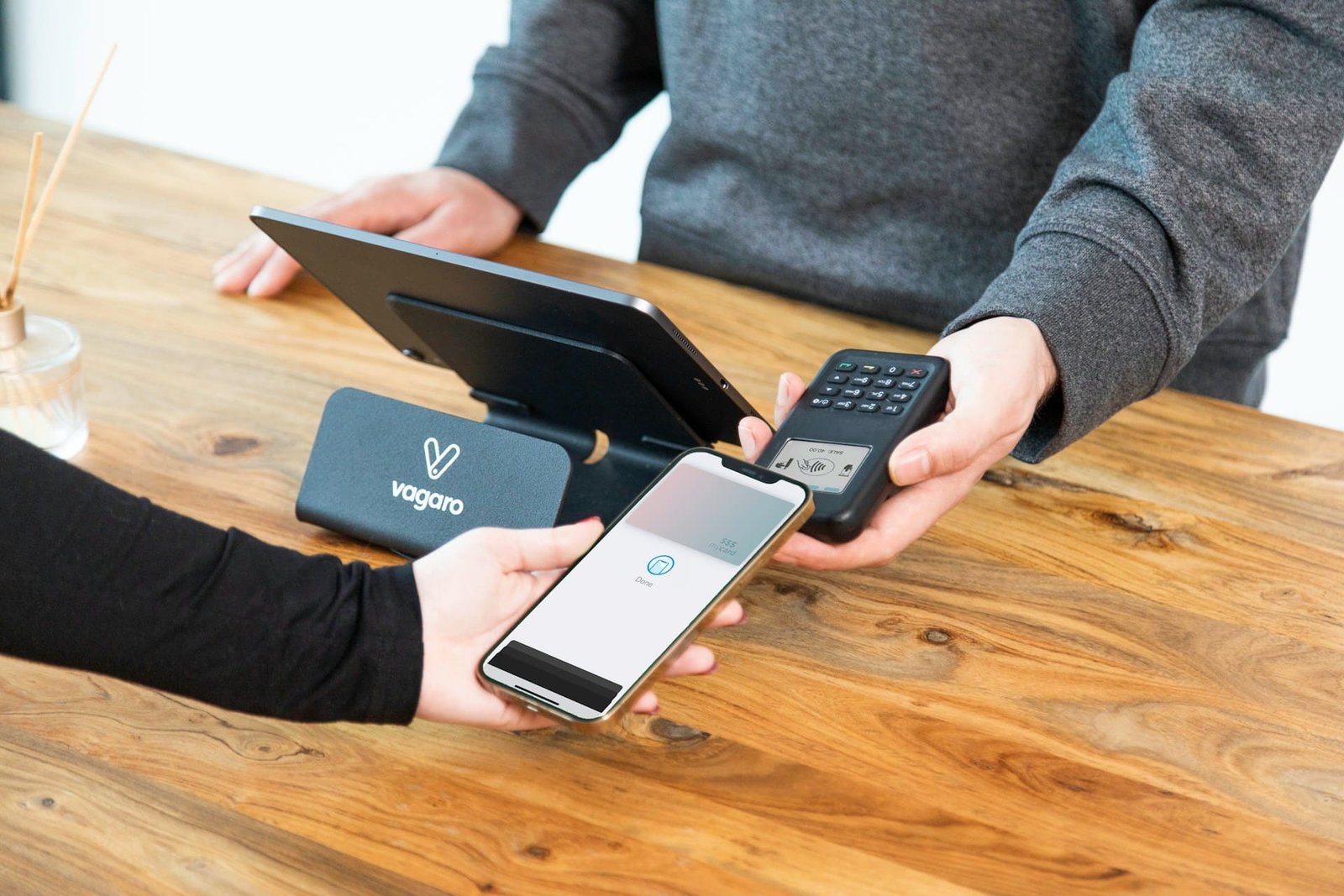
You tap your card in a restaurant in Lisbon and the terminal asks a simple question: pay in EUR or GBP? Pounds feels safer. You know what a pound is. The screen even promises a “guaranteed rate”.
That choice is called dynamic currency conversion, and choosing pounds almost always costs you more. The extra charge is legal, it’s disclosed on the screen, and it’s built so that most people don’t notice it. Here’s how it works, how to check what it’s costing you in ten seconds, and the places it hides beyond the card machine.
The short answer
When a card machine, cash machine or website abroad offers to charge you in pounds, say no and pay in the local currency. Let your own card provider do the conversion.
That’s the whole rule. The rest of this article explains why, and covers the few situations where it gets more complicated.
What dynamic currency conversion actually is
Normally, when you pay abroad in the local currency, your card network (Visa or Mastercard) converts the amount at its own exchange rate, which sits close to the wholesale rate banks use with each other. Your card provider may then add a non-sterling transaction fee on top, depending on the card.
Dynamic currency conversion (DCC) moves that conversion to the shop’s side instead. The merchant’s payment provider converts the bill into pounds at the till, at a rate it sets itself, and charges your card in pounds.
The difference is who picks the exchange rate. With DCC it’s a company whose income comes from the margin built into that rate, and the merchant usually receives a share of it. That’s why staff sometimes press you to choose pounds, and why the option is presented as the friendly, familiar choice.
What the choice looks like
The wording varies, but these are the common versions:
- “Pay in GBP or EUR?” (or USD, TRY, AED and so on)
- “Would you like to pay in your home currency?”
- “Guaranteed exchange rate” or “Rate guaranteed: no surprises”
- “Conversion included” or “Accept conversion”
- At cash machines: “Accept / Decline conversion”, or “With conversion / Without conversion”
The local-currency option is the one you want. At a cash machine, that usually means pressing Decline or Without conversion. The withdrawal still goes ahead; you’re only refusing the machine’s exchange rate.
How much it costs you: a worked example
Take a €200 restaurant bill. For this example, assume the reference exchange rate is €1 = £0.85, which makes the bill worth £170.00. The figures below show how three different choices change what you pay.
| How you pay | What happens | Cost in pounds |
|---|---|---|
| Local currency, on a card with no overseas fee | Converted at the card network’s rate, close to the reference rate | About £170 |
| Local currency, on a card with a 2.99% non-sterling fee | Network rate plus the card’s fee | About £175.08 |
| Pounds, through DCC at £0.90 per euro | The terminal’s own rate, about 5.9% above the reference rate | £180.00 |
On one meal, choosing pounds costs about £10 more than paying in euros on a fee-free card. Spend €1,500 across a week at the same terms and the gap reaches about £75, for nothing more than pressing the wrong button.
The 5.9% in this example is an illustration, not a fixed figure. DCC margins vary by provider, country and machine, and some are considerably higher. That’s why the habit matters more than any average: you can’t know the margin in advance, so the safe default is to refuse it every time.

How to check a DCC rate in ten seconds
Before you travel, look up the rough exchange rate and remember it in the direction that’s easiest to use. If €1 is about £0.85, a €200 bill should be roughly £170.
When a terminal shows you an amount in pounds, compare it with your mental figure:
- Within about 1–2% of your figure: the conversion is close to fair, but paying in the local currency is still the safer habit.
- Noticeably higher: the difference is the price of convenience. Choose the local currency.
If the screen shows the rate itself, you can work out the margin exactly. Divide the rate offered by the reference rate and subtract one. A terminal offering £0.90 per euro against a reference of £0.85 gives 0.90 ÷ 0.85 − 1 = 0.059, or 5.9%.
Inside the European Union, the rules go further. The Cross-Border Payments Regulation requires the total currency conversion charges on an offer like this to be shown as a percentage mark-up over the European Central Bank’s latest euro reference rate, so you may see that percentage on the screen before you choose.
Where dynamic currency conversion hides
The card machine at a till is the version people know. These are the ones that catch more people out.
| Where | What to watch for | What to choose |
|---|---|---|
| Shops, restaurants, taxis | The currency question appears before you tap or enter your PIN | Local currency |
| Cash machines | An “accept conversion” screen, separate from any access fee | Decline conversion |
| Hotel checkout | A currency box ticked on the registration card or the final bill | Ask for the bill in local currency |
| Car hire desks | “Pay in GBP” pre-selected on the rental agreement, including for the deposit | Check the agreement before you sign |
| Foreign websites and apps | Prices shown in pounds by default when the seller’s own currency is different | Switch to the seller’s currency if the site allows it |
Cash machines deserve special attention, because they can stack a DCC margin on top of an operator fee, your card’s own fees and, on credit cards, cash advance interest. Our guide to using a credit card at an ATM abroad breaks down all five charges on a single withdrawal.
Your rights if you weren’t asked
DCC is only allowed with your agreement. Mastercard’s rules, for example, say the cardholder must choose the currency, that DCC can’t be the default option, that staff mustn’t steer you towards it, and that the rate and any fees must be shown before you decide. The receipt must show the exchange rate used. Visa’s rules also require the cardholder’s consent.
If you were charged in pounds without being offered the choice, or the option was chosen for you, contact your card provider and ask about a chargeback. Keep the receipt, note the date and place, and explain that you weren’t given the choice of local currency.
What DCC doesn’t change
Section 75 protection. Paying in pounds or in the local currency makes no difference to your Section 75 rights on a UK credit card. The protection depends on the purchase and how you paid, not on the currency shown at the till. Our guide to Section 75 on holiday bookings covers where that protection breaks.
Refunds. A refund generally goes back in the same currency as the original payment. If you paid in local currency and get a refund weeks later, it’s converted again at that day’s rate, so you may get back slightly more or less than you paid. That’s ordinary currency movement, not a fee.
When paying in pounds can be reasonable
There are narrow cases where the gap is small or the choice is close:
- Your card has a high overseas fee and the DCC margin is low. If your card adds 2.99% plus a fixed charge on every foreign transaction, a terminal with a very small margin can come close. You’d need to compare the two amounts to know, and the better fix is a card without overseas fees.
- You need a fixed figure in pounds for a specific reason, such as a business expense claim, and you accept the cost.
Neither case changes the default. For most people on most trips, local currency wins.
The setup that avoids the problem
The cleanest approach is to remove most of the cost before you leave:
- Carry a card with no non-sterling transaction fee. Several UK credit and debit cards charge nothing for spending abroad. Our guide to travel credit cards for UK travellers covers what to look for.
- Know the rough exchange rate so a bad conversion stands out immediately.
- Always choose the local currency, at tills, cash machines, hotels, car hire desks and online.
- Read the paperwork at hotel and car hire desks, where the currency choice is often a small tick box rather than a screen.
- Check your statement after the trip and query anything charged in pounds that you didn’t agree to.

Frequently asked questions
Should I pay in pounds or the local currency abroad?
The local currency. Choosing pounds hands the exchange rate to the merchant’s provider, which usually builds in a larger margin than your card network.
What does “decline conversion” mean at a cash machine?
It means you’re refusing the machine’s exchange rate, not the withdrawal. Your cash still comes out, and your own card provider converts the amount instead.
Is the “guaranteed rate” a good deal?
It’s guaranteed in the sense that you see it before paying. That doesn’t make it competitive. The guarantee is mostly a way to make the higher rate feel safe.
Does this apply to contactless and phone payments?
Yes. The currency choice can appear on the terminal before you tap a card or phone.
Does dynamic currency conversion apply outside Europe?
Yes. It’s common wherever tourists pay by card, including the US, Turkey, the Middle East and Asia. The rule is the same everywhere: choose the local currency.
The bottom line
When you’re offered the choice of paying in pounds abroad, the familiar option is the expensive one. Choose the local currency every time, at tills, cash machines and online, and carry a card that doesn’t charge overseas fees.
It takes one second at the terminal, and across a holiday it can easily be worth more than the cost of a good dinner.
Sources
- Mastercard — dynamic currency conversion guide for merchants: cardholder choice, no default option, disclosure and receipts
- EUR-Lex — Regulation (EU) 2021/1230 on cross-border payments, including currency conversion charges shown as a mark-up over the ECB reference rate
- legislation.gov.uk — Consumer Credit Act 1974, section 75
The exchange rates and margins in the worked example are illustrative and chosen to make the arithmetic clear. Real DCC margins vary by provider and machine, which is why the article recommends checking the amount rather than relying on an average.
Last reviewed: 25 October 2026. Card scheme rules and card fees change, and we review this article when they do.
General information only, not personalised financial advice. Card fees and terms vary by provider. Check your own card’s charges for overseas spending before you travel.