Credit Card at an ATM Abroad: 5 Hidden Charges That Stack
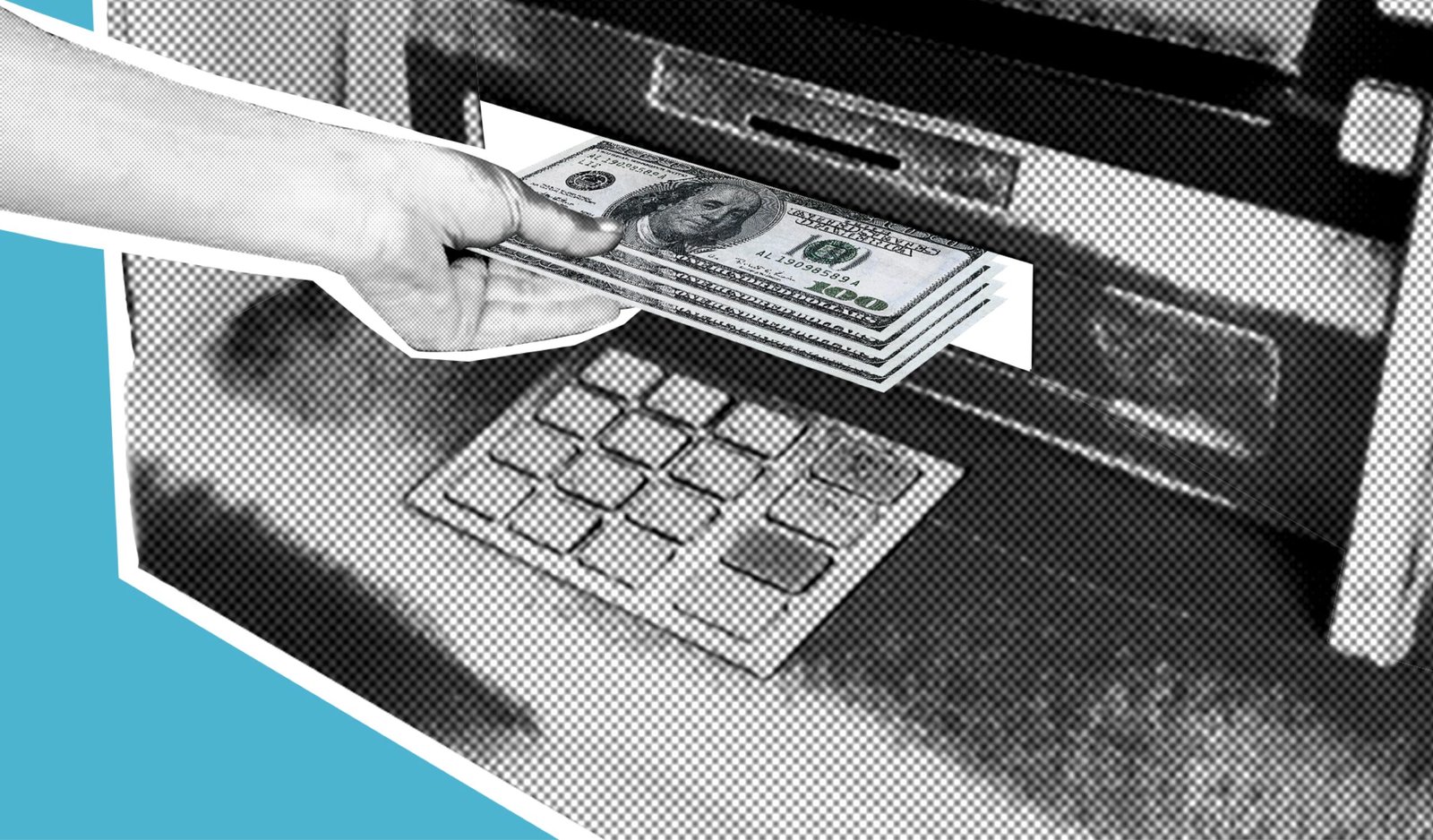
Every guide to travel credit cards warns you about this in one line, then moves on. Nobody explains what using a credit card at an ATM abroad actually costs, and the number surprises people.
Withdraw £200 in euros at an airport machine and you can easily pay £215 or more — before you have spent a penny of it. That is not one fee. It is up to five separate charges stacking on the same transaction.
Here is exactly what each one is, with the arithmetic, and what to do instead.
Why a cash withdrawal is treated differently
When you buy something on a credit card, you are borrowing money to pay a merchant. The card issuer earns a fee from that merchant, so it can afford to give you an interest-free grace period.
When you take cash out, there is no merchant and no interchange fee. The issuer is simply lending you money, so it charges for it directly — and immediately.
That is why using a credit card at an ATM abroad is classed as a cash advance and priced on completely different terms from a purchase.
The five charges, one at a time
1. The cash advance fee. Typically 2.5% to 3% of the amount, with a minimum of around £3. On a £200 withdrawal that is about £6. Small withdrawals are punished hardest by the minimum — take out £20 and the £3 minimum is 15%.
2. The non-sterling transaction fee. Around 2.75% to 3% on most UK cards, applied because the transaction is in another currency. Another £6 or so on £200. Note that this stacks on top of the cash advance fee rather than replacing it.
3. Interest from day one. This is the one people miss. There is no grace period on cash advances. Interest accrues from the withdrawal date even if you pay your statement in full, and the cash advance APR is usually higher than your purchase rate — often 23% to 30%.
4. The ATM operator’s own fee. Independent machines, particularly in airports, tourist areas and convenience stores, frequently charge their own fee on top. Bank-operated ATMs usually do not.
5. Dynamic currency conversion. If the machine offers to dispense in pounds rather than local currency, the operator sets the exchange rate — and it is consistently worse than your card network’s. Always decline and choose the local currency.
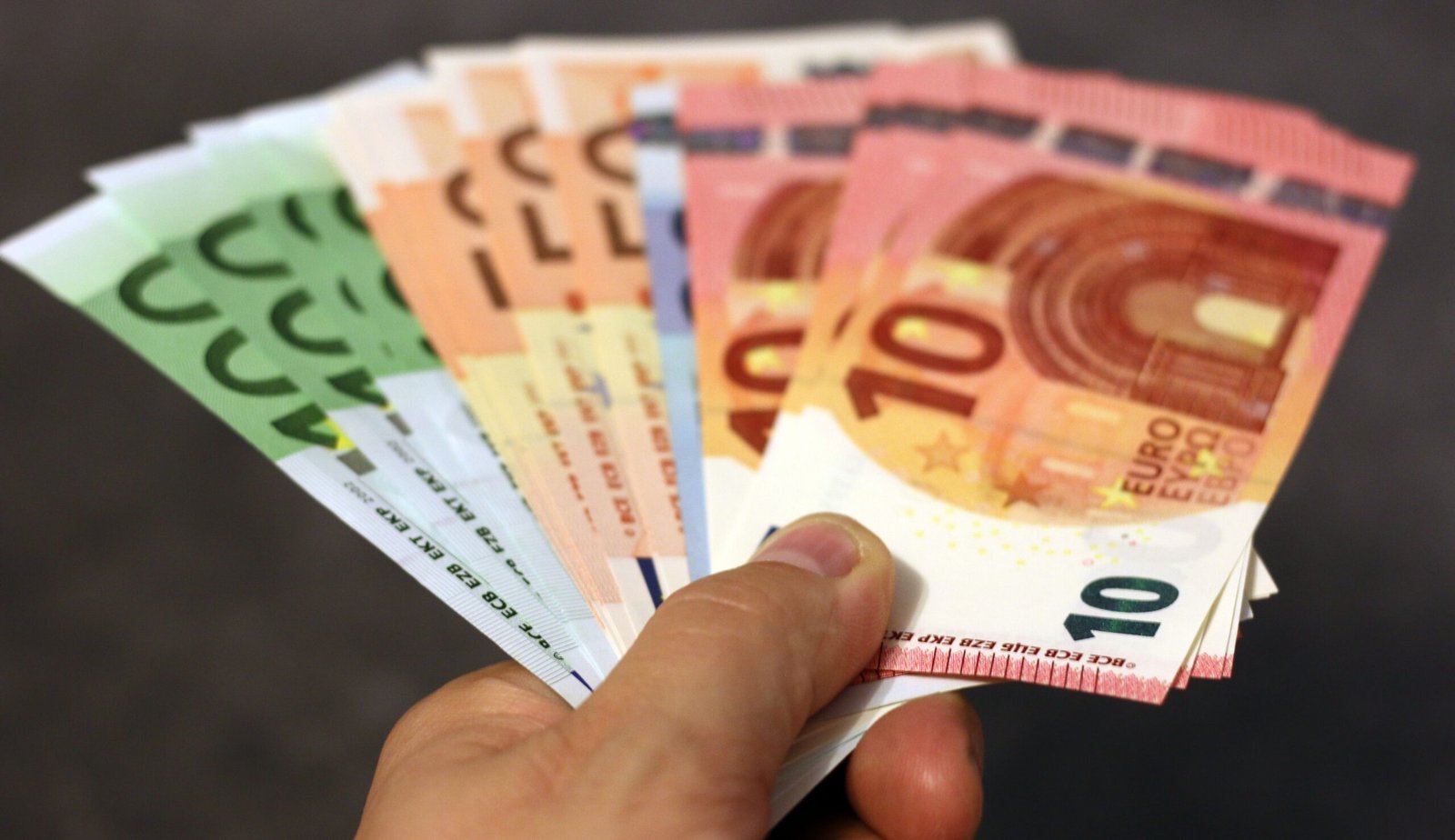
What £200 actually costs
| Charge | Cost on £200 |
|---|---|
| Cash advance fee (3%) | £6.00 |
| Non-sterling fee (2.99%) | £5.98 |
| ATM operator fee | £2.50 |
| Interest, 25 days at 27.9% APR | £3.75 |
| Total cost | £18.23 |
That is 9.1% to access your own credit — and it assumes you decline dynamic currency conversion and pay the balance at the next statement. Accept the conversion offer and you can add another 3% to 5%.
Do this four times on a two-week holiday and you have spent roughly £73 on fees alone.
The cards that remove some of it — but not all
A handful of UK cards waive the cash withdrawal fee abroad. Halifax Clarity is the best known, and Barclaycard Rewards and Zopa also market themselves on fee-free overseas spending.
Here is the part their marketing does not lead with: waiving the fee does not remove the interest. Even on a fee-free card, interest still accrues from the day of withdrawal at the cash advance rate. Halifax Clarity’s own terms make this explicit.
So on a fee-free card, a £200 withdrawal repaid 25 days later still costs a few pounds in interest. Better than £18, but not free.
The only way to make it genuinely cheap is to log into your account and repay the withdrawal the same day or the next. That stops the interest clock almost immediately. Very few people do this, which is precisely why the product remains profitable.
Card terms change often — verify current fees on the issuer’s own page rather than a comparison site. Our guide to travel credit cards for UK travellers covers what else to look for.
What counts as a cash advance beyond the ATM
Worth knowing, because nothing at the point of sale warns you:
- Buying foreign currency at a bureau de change on a credit card
- Gambling transactions, including online betting and casino deposits
- Cryptocurrency purchases on most UK cards
- Money transfers and sending funds to friends
- Some bill payments made through third-party processors
- Travellers cheques and prepaid card top-ups
All are priced as cash advances: fee, higher rate, no grace period. Buying euros on a credit card at the airport is one of the more expensive ways to get holiday money.
What to do instead
Use a fee-free debit card for cash. Chase, Starling, Monzo and several digital banks offer fee-free overseas withdrawals, sometimes up to a monthly limit. A debit card takes money you already have, so there is no cash advance and no interest.
Use a credit card for purchases, not cash. Card payments abroad avoid the cash advance entirely — and on purchases between £100 and £30,000 you get Section 75 protection, which makes your issuer jointly liable if a supplier fails. That protection is worth far more than any rewards, and it is covered in our guide to Section 75 on holiday bookings.
Withdraw larger amounts less often. If you must use a credit card, one £300 withdrawal costs less in fixed fees than three £100 withdrawals. Carry it securely.
Use bank ATMs rather than independent machines. Airport and convenience store ATMs are where operator fees are highest.
Always choose local currency. Every time, without exception.
If you have already done it
Log into your account and pay off the withdrawal amount immediately — not at the statement date. Interest is charged daily on cash advances, so every day you wait adds to it.
One thing to be aware of: on most cards, payments above the minimum are allocated to the highest-rate balance first, which is usually the cash advance. But the minimum payment itself may go to your cheapest balance. So paying only the minimum can leave the expensive cash advance sitting there accruing at 27% while your purchases get cleared. The mechanics are explained in our guide to how credit card interest is calculated.
Outside the UK
United States. The same structure applies. Cash advance fees run 3% to 5% with a minimum of $10 on many cards, foreign transaction fees add up to 3%, and cash advance APRs commonly exceed 29%. There is no grace period.
Canada. Cash advance fees typically $3.50 to $5 plus a higher interest rate, charged from the transaction date.
Australia. Similar, with cash advance rates often above 21% and no interest-free days.
The principle is universal: a credit card is a payment instrument, not a source of cash.
Frequently asked questions
Does a fee-free card make ATM withdrawals abroad free?
No. It removes the withdrawal fee, but interest still accrues from the day of the transaction at the cash advance rate. Repay the same day to keep it minimal.
Is a debit card better for cash abroad?
Generally yes. There is no cash advance and no interest, and several UK digital banks charge nothing for overseas withdrawals within limits.
Does a cash advance affect my credit score?
Not directly as a transaction type, but the balance counts toward your credit utilisation, which is roughly 30% of your score — see our guide to improving your credit score.
Should I accept the ATM’s offer to charge in pounds?
No. Dynamic currency conversion consistently gives a worse rate than your card network’s, and you may still pay your own card’s fees on top.
The bottom line
Using a credit card at an ATM abroad typically costs around 9% of what you withdraw, once the cash advance fee, non-sterling fee, operator charge and immediate interest are added together.
A fee-free card removes two of those charges but not the interest, which starts the same day regardless. Repaying immediately is the only thing that makes it genuinely cheap.
The simpler answer is to carry a fee-free debit card for cash and use the credit card for purchases, where it costs nothing if you clear the balance and gives you protection a debit card cannot.
Sources
- MoneyHelper — using cards abroad and understanding cash advance charges
- Financial Conduct Authority — UK payment allocation rules requiring highest-rate balances to be cleared first
- Consumer Financial Protection Bureau — how cash advances work and why there is no grace period
Fee percentages and APRs come from individual issuers’ published terms and vary considerably. The worked example uses representative rates and is illustrative, not a quote. Verify current charges with your own card provider before travelling.
Last reviewed: 17 August 2026. Card fees and rates change — we review this article when they do.
General information only, not personalised financial advice. Fees, APRs and terms vary by issuer and country and change over time. Check your own cardholder agreement before relying on anything here.