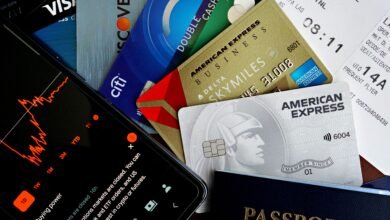
For UK travellers, the value of a travel credit card comes overwhelmingly from one thing: not paying foreign transaction fees. Most standard UK cards charge around 2.75% to 3% on every purchase in another currency, which quietly costs more on a two-week holiday than most rewards programmes return in a year.
Here’s what actually matters when choosing one, the protection UK cards give you that debit cards don’t, and the mistakes that cost travellers money abroad.
The fee that dominates everything
Spend £2,000 abroad on a standard UK card at a 2.99% non-sterling transaction fee and you’ve paid roughly £60 for nothing. Add a poor exchange rate and it’s more.
That figure applies to more than holidays. It hits online purchases from overseas retailers, subscriptions billed in dollars, and hotel bookings priced in euros — even when you never leave the country.
A card with no foreign transaction fee removes that entirely. Several UK options do this, from mainstream issuers and from digital banks. Because the saving is guaranteed while rewards are variable, zero FX fees is the single most valuable feature for most UK travellers.
Never accept the conversion offer
This one costs people money even on the right card.
When a foreign card machine or website asks whether you’d like to pay in pounds instead of the local currency, that’s dynamic currency conversion. The rate applied is set by the merchant’s provider and is almost always worse than your card’s — and you may still pay your own FX fee on top.
Always choose the local currency. Euros in Spain, dollars in the US, yen in Japan. Every time, without exception. Your card handles the conversion at a far better rate.
The same applies to foreign ATMs offering a “guaranteed” sterling amount. Decline it.

Section 75: the protection worth more than rewards
This is genuinely valuable and specific to UK credit cards.
Under Section 75 of the Consumer Credit Act, your card issuer is jointly liable with the retailer for purchases between £100 and £30,000. If an airline collapses, a hotel never materialises, or a tour operator fails, you can claim from your card provider.
Two details that matter:
It applies to credit cards, not debit cards. Debit gives you chargeback, which is a scheme rule with tighter time limits and weaker footing.
You only need to pay part of the cost on the card for the full amount to be covered, provided the total item price falls in that range. Paying a £200 deposit by credit card on a £2,000 holiday protects the whole booking.
For that reason alone, book flights and accommodation on a credit card even if you pay it off immediately. It’s free insurance — though it doesn’t replace actual travel insurance, which covers medical costs and repatriation that Section 75 doesn’t touch.
The types of UK travel card
| Type | Best for | Watch out for |
|---|---|---|
| No-FX-fee credit cards | Most travellers | Cash withdrawals still cost |
| Airline-branded cards | Loyal frequent flyers | Annual fees, restricted redemption |
| Hotel-branded cards | Regular stays with one chain | Value depends on brand availability |
| Premium travel cards | Lounge access, insurance | High annual fees |
| Digital bank cards | Excellent FX rates | Often debit — no Section 75 |
Names commonly cited for fee-free spending abroad include Barclaycard Rewards, Halifax Clarity and Zopa among credit cards, with Chase, Starling, Monzo, Revolut and Currensea popular for their exchange rates. For airline miles, the British Airways and Virgin Atlantic cards remain the main UK options.
Verify current terms directly with the issuer. Card terms change frequently and comparison sites often earn commission on what they rank.
Cash withdrawals are a separate trap
Even on a card with no foreign transaction fee, withdrawing cash abroad on a credit card usually triggers a cash advance: a fee, a higher interest rate, and interest from the day of withdrawal with no grace period.
A handful of UK cards waive the withdrawal fee, but interest generally still accrues immediately.
The practical approach: use a credit card for purchases and a fee-free debit card for cash. If you must withdraw on credit, pay it off the same day.

Are annual fees worth it?
Sometimes, but the maths has to work rather than feel right.
A card charging £200 a year needs to return more than £200 in benefits you’d actually use. Lounge access is worth something if you fly monthly and nothing if you fly twice. Included travel insurance can be genuinely valuable — but check the age limits and whether pre-existing medical conditions are covered, because those exclusions are where packaged policies fail people.
Airline cards often include a companion voucher or similar perk. Those can be worth hundreds — if you’d have taken that flight anyway and can find availability, which is the part that trips people up.
For most travellers taking two or three trips a year, a no-fee card with zero FX charges beats a premium card comfortably.
Practical things to do before you travel
Check acceptance at your destination. American Express is less widely accepted across Europe than Visa or Mastercard. Carry a backup on a different network.
Set up app notifications. Instant transaction alerts are the fastest way to spot fraud abroad.
Know your card’s freeze function and your issuer’s international phone number. Save both offline.
Carry a small amount of local cash for places that don’t take cards.
Don’t apply for a new card the week before you fly. Applications take time, and a hard search shortly before a mortgage application is unhelpful timing — see our guide on managing your credit score.

Where travellers lose money
Accepting dynamic currency conversion. The most common and most avoidable.
Withdrawing cash on a credit card and forgetting interest starts immediately.
Carrying a balance to chase rewards. A card earning 1% while charging over 20% interest is a loan with a small discount attached. Rewards only make sense if you clear the balance in full — a point covered in our guide to credit card mistakes that cost money.
Letting points expire. Many schemes expire points after a period of inactivity. Check the terms before assuming your balance is safe.
Assuming a debit card gives Section 75 protection. It doesn’t. Chargeback is weaker and time-limited.
How this compares elsewhere
United States. Far more generous rewards, because interchange fees are much higher. No-FX-fee cards are common, and there’s no Section 75 equivalent — though US chargeback rights under Regulation Z are reasonably strong.
Europe. EU interchange caps mean thinner rewards than the UK in some cases, and no statutory joint liability. Our guide to choosing a credit card in Europe covers that market.
Canada and Australia. Rewards sit between UK and US levels. Both have no-FX-fee options, though fewer than the UK market offers.
Frequently asked questions
What’s the best UK travel credit card?
For most people, whichever no-annual-fee card has zero foreign transaction fees and gives you a credit line for Section 75 protection. Premium cards only make sense for frequent flyers who’ll use the benefits.
Should I use a credit or debit card abroad?
Credit for purchases, because of Section 75 and fraud protection. A fee-free debit card for cash withdrawals.
Do I need to tell my bank I’m travelling?
Most UK issuers no longer require it, but check. Some still flag unexpected foreign transactions, and a blocked card abroad is a bad afternoon.
Are airline miles worth chasing?
Only if you fly regularly with that airline and can find reward availability. For occasional travellers, straightforward cashback or fee-free spending is usually worth more and involves no planning.
The bottom line
Get a UK credit card with no foreign transaction fees. That saving is certain, applies to every overseas purchase including online ones, and typically exceeds what any rewards programme returns.
Use it for flights and hotels specifically, because Section 75 makes your issuer jointly liable if the airline or operator fails — protection a debit card cannot give you.
Always pay in local currency. Never withdraw cash on a credit card unless you’re clearing it the same day. And clear the statement balance in full every month, because interest wipes out travel rewards faster than any perk can replace them.
Card terms change often. Confirm the current non-sterling transaction fee on the issuer’s own site before you book anything — the MoneyHelper service offers free impartial guidance, and you can verify any provider on the FCA Register.
Sources
- Consumer Credit Act 1974, Section 75 — joint liability between £100 and £30,000
- MoneyHelper — card protection and comparing travel cards
- FCA Register — verify any card provider’s regulatory status
Non-sterling transaction fees, annual fees and rewards terms come from each issuer’s own published rates and change frequently. Dynamic currency conversion rates are set by the merchant’s payment provider, not your card issuer.
Last reviewed: 15 August 2026. Card fees and benefits change frequently — we review this article when they do.
General information only, not personalised financial advice. Card fees, rewards and benefits change frequently — verify current terms with the issuer before applying. We have no affiliate relationship with any card mentioned.