

Car insurance saving tips are everywhere, and most of them are worth a few pounds. A handful are worth a few hundred. This guide separates them, using current UK market data rather than generic advice.
First, the context that determines how much room you actually have.
What UK drivers are paying in 2026
The Association of British Insurers, drawing on roughly 28 million live policies, put the average comprehensive premium at £560 in Q1 2026 — essentially flat on the previous quarter and around £30 below a year earlier.
You’ll see higher figures quoted elsewhere. The Confused.com index reported £719 in Q2 2026, and Quotezone reported £619. Both are quote-based indices, which capture more young and high-risk drivers than the pool of policies actually purchased. The ABI figure reflects what people paid; the others reflect what people were quoted.
The spread matters more than the average:
| Group | Average premium |
|---|---|
| Drivers aged 17–24 | ~£1,099 |
| Drivers aged 65+ | ~£431 |
| London | ~£833 |
| South West England | ~£480 |
After falling roughly 11% from the 2024 peak, premiums have stabilised — and the Confused index recorded its first quarterly rise since late 2023. Repair costs are the reason: labour is up around 40% since 2022, parts and paint are climbing roughly 16% a year, and Advanced Driver Assistance System recalibration can turn a £300 bumper repair into a £1,500 claim. Add Insurance Premium Tax frozen at 12% and a Motor Insurers’ Bureau levy of about £15 per policy to cover uninsured drivers, and 2026 looks like the floor rather than a stop on the way down.
Which means the savings have to come from your own policy.

The tips that save the most
1. Never auto-renew. This remains the single biggest lever. The FCA’s pricing rules stopped insurers charging existing customers more than equivalent new customers at the same insurer — but they didn’t stop *other* insurers from being cheaper. Shopping the whole market at each renewal routinely beats staying put.
2. Buy 21 to 26 days before your renewal date. This one is counterintuitive and well documented. Insurers price last-minute buyers as higher risk, so quotes get more expensive as your start date approaches. Booking roughly three weeks ahead consistently produces the lowest prices. Set a calendar reminder for a month before renewal.
3. Pay annually if you possibly can. Monthly payment is credit, and the APR is often in the 20–30% range. On a £560 policy that can add £70–£150 across the year. If cashflow is the obstacle, a 0% purchase credit card paid off over the year is usually cheaper than the insurer’s instalment plan.
4. Check comprehensive against third-party. Third-party cover is frequently *more* expensive than comprehensive in the UK. It sounds absurd, but insurers have found that drivers choosing minimum cover tend to make more claims. Always quote both.
5. Add an experienced named driver. Adding a parent, partner or older relative who genuinely drives the car occasionally can reduce the premium meaningfully, because it lowers the average risk profile of the policy.
Important: the main driver must be the person who actually drives most. Listing a low-risk parent as main driver on a car mostly used by their child is called fronting. It’s insurance fraud, it voids the policy, and it leaves you uninsured at exactly the wrong moment.
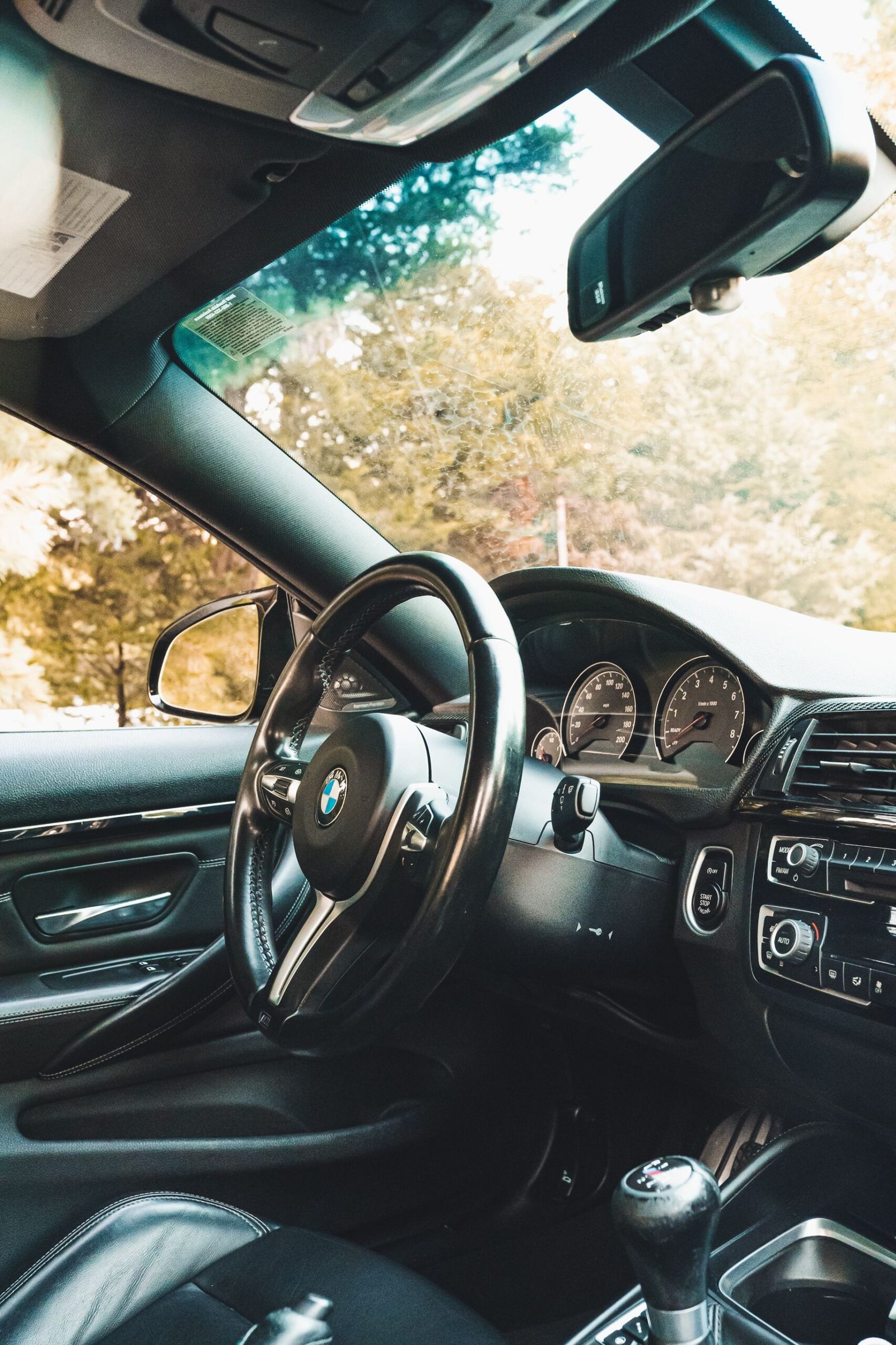
The car itself is priced before you are
Every UK car carries an insurance group rating from 1 to 50, with lower being cheaper. Since August 2024 a newer Vehicle Risk Rating system has run alongside it on a 1–99 scale, assessing five factors: performance, damageability, repairability, safety and security. Both systems operate in parallel during the transition.
The practical effect is large. Group 1 city cars can insure from around £385, while high-group performance cars and some EVs top £1,500 — for the same driver. Two people of identical age, postcode and history can pay wildly different premiums purely because of what they drive.
If you’re buying a car, check the insurance group before you buy, not after. It’s the single largest factor you control at the point of purchase.
Telematics: worth it for some, not others
Black box or app-based policies monitor speed, braking, cornering, mileage and time of day, then price accordingly.
For young drivers the case is strong — roughly 78% of 17 to 20-year-olds pay less on a telematics policy, and that age band has seen premiums fall about 17% year on year. When the alternative is a four-figure quote, the monitoring is a reasonable trade.
For everyone else it’s situational. Low-mileage drivers and those who rarely drive at night tend to benefit. If you drive long distances, commute at odd hours, or brake sharply in city traffic, telematics can increase your premium or trigger policy cancellation.
Smaller levers that still add up
Increase your voluntary excess — but only to an amount you could actually pay tomorrow. An excess you can’t afford converts a claim into a crisis.
Protect your no-claims discount if you have several years built up. Check the cost against what you’d lose, since protection typically limits how far your discount falls rather than freezing your premium entirely.
Review your job title wording. Different but accurate descriptions of the same job can price differently — “journalist” versus “editor”, for instance. This is legitimate as long as the description is truthful. Deliberately misdescribing your occupation is not.
Check your annual mileage honestly. Most people overestimate. Lower genuine mileage means a lower premium — but understating it to get a discount risks the claim.
Improve security. Approved immobilisers, trackers and off-road parking all reduce risk. Vehicle theft payouts hit £669m recently, up 35%, so insurers price security seriously.
Remove unnecessary add-ons. Breakdown cover, courtesy car and legal expenses are often cheaper bought separately, and you may already have breakdown cover through a bank account package.
Watch out for ghost brokers
Rising premiums produce a rise in fraudulent “brokers” selling policies that don’t exist or were obtained using falsified details. Victims discover the problem only after an accident, when they find they’re uninsured, facing prosecution, and liable for the damage.
Warning signs: quotes far below every comparison site, sales conducted only through social media or messaging apps, payment by bank transfer to a personal account, and pressure to decide immediately. Verify any broker on the FCA Register before paying anything.
What increases your premium
Worth knowing the scale, because it changes decisions:
- An SP30 speeding endorsement typically adds 10–25%
- A DR10 drink-driving conviction can double a premium and pushes you toward specialist brokers
- Claims affect pricing for around five years, whether or not you were at fault
- Modifications, including some cosmetic ones, must be declared
- Gaps in insurance history reduce your no-claims record
On that last point: if you’re taking a car off the road, declare it SORN rather than simply cancelling insurance. Continuous insurance enforcement means an uninsured, non-SORN vehicle attracts penalties automatically.
How this compares elsewhere
United States. Rates vary hugely by state, credit history is used in pricing in most states, and minimum liability requirements are set at state level.
Canada. Some provinces run public insurance monopolies, so shopping around isn’t possible in the same way. Elsewhere the private market functions similarly to the UK.
Australia. Compulsory Third Party cover is separate from comprehensive insurance and often bundled with registration — a structure with no UK equivalent.
Europe. No-claims records don’t always transfer between countries, which catches people moving abroad. Request a written no-claims certificate before you leave.
Frequently asked questions
Does comparing quotes affect my credit score?
Insurance quotes use soft searches and don’t affect your score. Only applying for monthly payment credit creates a hard search.
Should I use one comparison site or several?
Several, plus the direct-only insurers who don’t appear on comparison sites at all. Some of the largest UK insurers are only available direct.
Is it worth switching mid-policy?
Occasionally. Cancellation fees and the loss of a year’s no-claims usually outweigh the saving, so it’s rarely worth it unless the gap is very large.
Why did my premium rise when nothing changed?
Because claims costs across the market rose. Repair inflation, theft payouts and the uninsured-driver levy affect everyone’s pricing regardless of individual history.
The bottom line
Three actions do most of the work: shop the whole market rather than auto-renewing, buy about three weeks before your renewal date, and pay annually rather than monthly. Together those routinely save more than every other tip combined.
Then check whether comprehensive is cheaper than third-party, because it often is, and make sure your excess is an amount you could genuinely pay if you needed to.
The same principle applies across every policy you hold — the savings come from reviewing rather than renewing. Our broader guide to lowering your insurance premiums covers home, life and the rest, and if a claim would strain your finances, that’s a signal to look at your emergency fund before lowering your excess.
Sources
- Association of British Insurers — average premium data and motor insurance guidance
- FCA Register — verify any broker before paying, to avoid ghost broking
- GOV.UK — SORN and continuous insurance enforcement
- MoneyHelper — free guidance on comparing motor cover
The timing effect on quote pricing reflects widely observed market behaviour rather than a published rule. Your own premium depends on postcode, vehicle, mileage and claims history.
Last reviewed: 15 August 2026. Premium data and market practice change — we review this article when they do.
General information only, not personalised advice. Premium figures are averages from ABI, Confused.com and Quotezone data published in 2026 and change regularly. Never provide inaccurate information to an insurer — it can void your cover.