

Health insurance for families in Canada confuses people because the country is famous for having universal healthcare — and then families keep getting bills. Both things are true. The public system covers hospital and physician care, and stops there.
Two major federal programs launched recently have changed what families should actually buy. If you last looked at this a couple of years ago, the answer has moved.
What provincial health plans don’t cover
Under the Canada Health Act, medically necessary hospital and physician services are covered at the point of care. That’s the deal, and it’s a good one.
What sits outside it:
- Prescription drugs filled at a pharmacy. The same drug given to you in hospital is covered; walk out and fill a script, and it usually isn’t.
- Dental care — historically almost entirely private
- Vision — eye exams for adults, glasses, contacts
- Paramedical services — physiotherapy, chiropractic, massage, psychology
- Ambulance transport, which surprises families with a bill after an emergency
- Most mental health care outside a hospital setting
- Medical equipment and travel outside your province or country
Coverage also runs through 13 separate provincial and territorial plans, so what’s included genuinely differs depending on where you live. Advice written for Ontario may not apply in Alberta.
What changed: the Canadian Dental Care Plan
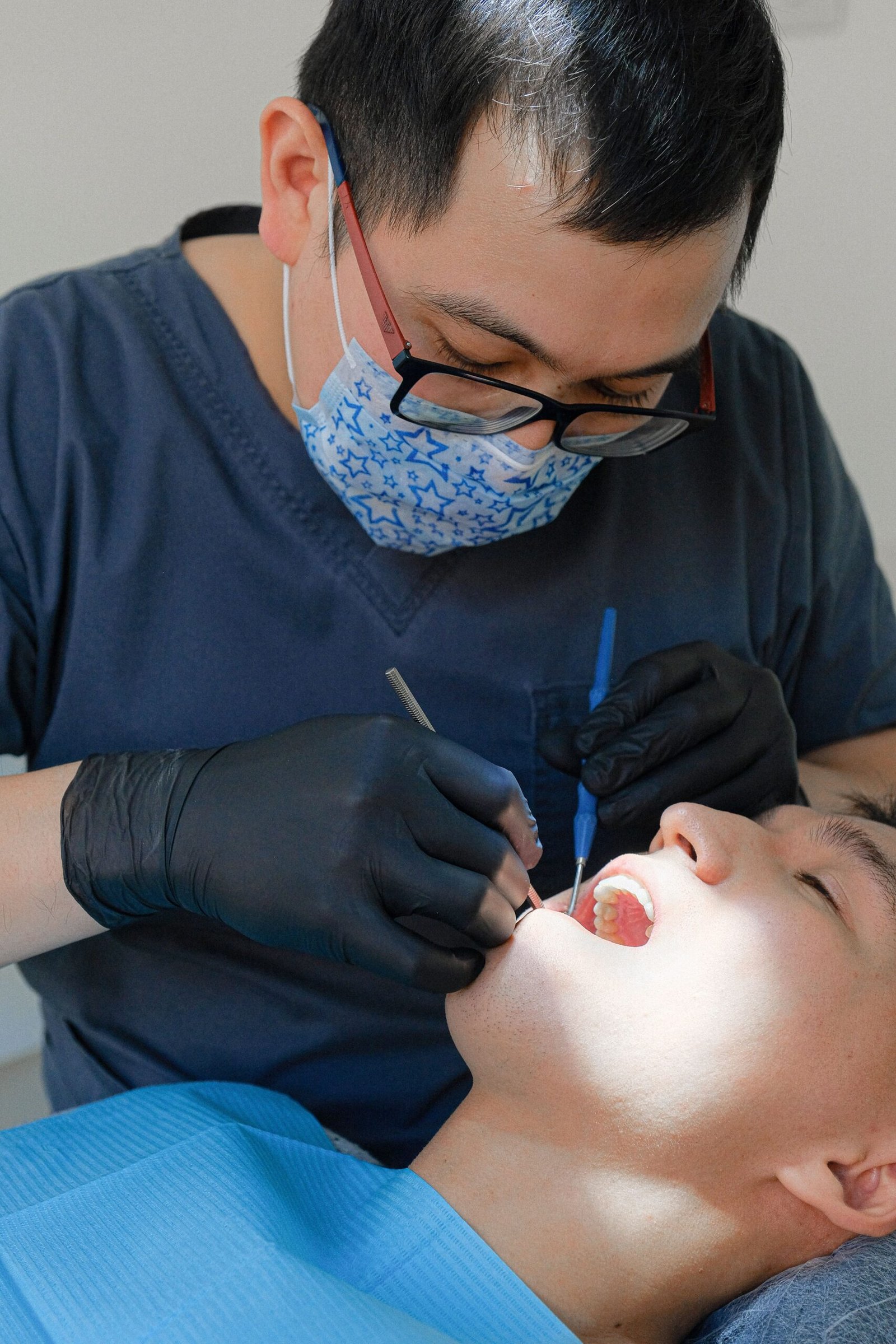
The CDCP is the biggest shift in years, and many families still don’t realise they qualify.
Who’s eligible: Canadian residents for tax purposes with an adjusted family net income under $90,000, who have filed their tax return, and — critically — who do not have access to private dental insurance. As of 2026 the program is fully open to all age groups; the earlier phased rollout is finished.
What you pay: households under $70,000 have eligible costs fully covered at the plan’s fee schedule. Between $70,000 and $89,999, you pay a co-payment on each service.
The trap most people hit: having *access* to private dental insurance disqualifies you — even if you never use it, even if it covers only part of the cost, and even if you opted out (unless you opted out of a pension plan before December 2023). This means buying a private dental plan can cost you CDCP eligibility. Run that calculation before you buy anything.
The detail that catches people financially: the plan reimburses against its own fee schedule. If your dentist charges above it, you pay the difference. Confirm before treatment that your dentist participates and whether they bill at the schedule rate.
Coverage runs on a benefit year ending 30 June, and you must renew annually. Missing the renewal deadline creates a gap in which nothing is reimbursed. Full details are on the Government of Canada’s CDCP page.
What changed: national pharmacare
The Pharmacare Act introduced the first phase of national drug coverage, focused on contraceptives and diabetes medications in participating provinces.
It’s narrow so far — this isn’t comprehensive drug coverage — but for families managing diabetes it’s a meaningful reduction in a recurring cost. Whether it applies depends on whether your province has signed an agreement, so check your provincial health ministry rather than assuming.

The provincial drug programs families forget
This is the most commonly missed money in Canadian family healthcare. Every province runs a public drug plan, and a large number of eligible households simply never enrol.
Ontario has Trillium, British Columbia has Fair PharmaCare, and most provinces operate catastrophic coverage programs that kick in when drug costs are large relative to household income. Eligibility varies widely, but the common thread is that they’re application-based — nobody enrols you automatically.
Before buying private drug coverage, check what your province already offers you. It’s free to find out and it changes what you need to buy.
Where private insurance still makes sense
Employer group plans. If available, this is almost always the best value — group pricing, employer contributions, and typically no medical underwriting. If both partners have access, compare the two carefully rather than defaulting to one. Coordinating benefits across two plans can cover most of what either alone would leave.
One caution: employer dental coverage disqualifies the whole family from the CDCP. If the employer plan is weak, compare its actual value against what the CDCP would have provided.
Individual plans. Worth considering for self-employed families, contractors, and anyone without workplace benefits. Expect medical underwriting, waiting periods, and annual maximums that are lower than most people assume.
Health Spending Accounts. Popular with incorporated business owners — medical expenses paid through the corporation as a deductible business expense. Note that an HSA covering dental also removes CDCP eligibility.
What to look for in a family plan
If you’re buying private coverage, the details that matter:
| Feature | What to check |
|---|---|
| Annual maximums | Per person or per family — family caps are worse |
| Drug coverage | Percentage reimbursed and whether there’s a cap |
| Paramedical limits | Often $300–$500 per practitioner type annually |
| Dental split | Basic vs major services are usually reimbursed at different rates |
| Waiting periods | Major dental often has a 6–12 month wait |
| Pre-existing conditions | Frequently excluded on individual plans |
| Travel coverage | Days per trip, and whether it covers the US |
Compare what the plan pays out over a year against what it costs. For families with predictable needs — orthodontics, ongoing prescriptions, regular physiotherapy — the maths often works. For healthy families with occasional expenses, it frequently doesn’t, and a dedicated savings account does the job for less. The same reasoning applies to deciding when insurance beats self-funding generally.
Don’t overlook the medical expense tax credit
Canada’s Medical Expense Tax Credit is the lever families forget. It applies to a wide range of costs not covered elsewhere — prescriptions, dental work, vision, some paramedical services, medical travel.
The mechanics reward record-keeping: expenses above a threshold based on net income can be claimed, and it’s generally more efficient for the lower-income spouse to claim the family’s combined expenses. Keep every receipt through the year, including the portions your insurance didn’t reimburse. Most families who skip this do so because they didn’t keep records, not because they didn’t qualify.
How Canada compares
United States. No universal coverage, so health insurance is a far larger household expense and the stakes of being uninsured are much higher.
United Kingdom. The NHS covers more than Canadian provincial plans, including prescriptions (free in some nations, flat-fee in England) and subsidised dental. Private cover is mostly about speed of access rather than filling gaps.
Australia. Medicare plus a private system actively encouraged through tax incentives — the Medicare Levy Surcharge effectively penalises higher earners without private hospital cover.
Europe. Most systems cover prescriptions with co-payments, so the specific Canadian gap around pharmacy drugs is unusual among comparable countries.
Frequently asked questions
Do I need private health insurance in Canada?
Not for hospital or doctor visits. The question is whether your family’s expected costs for drugs, dental, vision and paramedical services exceed the premiums — and whether public programs already cover you.
Should I buy private dental insurance?
Check CDCP eligibility first. If your family income is under $90,000 and you have no workplace dental coverage, buying a private plan may cost you more than it provides by removing your CDCP access.
What about children specifically?
Children are eligible for the CDCP under the same household rules. Several provinces also run separate children’s dental programs — worth checking both.
Are we covered travelling to another province?
Generally yes for physician and hospital care through reciprocal billing, with Quebec a partial exception. Out-of-country travel is a different matter and needs separate travel medical insurance — for the same reason it matters in any international travel insurance decision.
The bottom line
Before buying anything, work through this order: check CDCP eligibility, check your provincial drug program, check what any employer plan already provides, and only then price private coverage for what’s genuinely left.
A lot of Canadian families are paying for private coverage that duplicates a public program they qualify for — or, worse, paying for private dental that disqualifies them from a federal plan that would have covered more. Half an hour of checking is worth more than any comparison of insurers.
Sources
- Government of Canada — CDCP eligibility, income thresholds, co-payments and the fee schedule
- Health Canada — what the Canada Health Act covers and where coverage ends
- Canada Revenue Agency — the Medical Expense Tax Credit and eligible expenses
Provincial drug programmes and coverage differ across 13 separate plans and change independently. Private plan terms come from individual insurers — read the policy wording rather than the brochure.
Last reviewed: 15 August 2026. Federal and provincial programme rules change — we review this article when they do.
General information only, not personalised advice. Program eligibility, income thresholds and provincial coverage change — verify current details with Canada.ca and your provincial health ministry before making decisions.