Adjustable Rate Mortgage in 2026: Worth the Risk?
ARMs save about $183 a month on a $400,000 loan — but the discount is biggest exactly when reset risk is highest. The arithmetic, the caps, and when it makes sense.

ARMs save about $183 a month on a $400,000 loan — but the discount is biggest exactly when reset risk is highest. The arithmetic, the caps, and when it makes sense.

Paying a £200 deposit by credit card can protect a £3,000 holiday. What Section 75 really covers on travel bookings, where third-party bookings break it, and how to claim.

New scoring models track 24 months of balances, not a snapshot. What FICO 10T and trended data change, what the early results show, and how much it affects you now.

The 50/30/20 rule is mathematically impossible in most expensive cities. How it works, where it breaks, and what to use instead when housing takes more than half your pay.

Fixed or variable? The answer isn’t a rate prediction — it’s whether your budget could absorb a 20% payment rise. A clear comparison for the US, UK, Canada, Australia and Europe.

Whole life costs up to 13 times more than term for the same payout. Here’s what that money actually buys, and the specific cases where permanent cover is worth it.
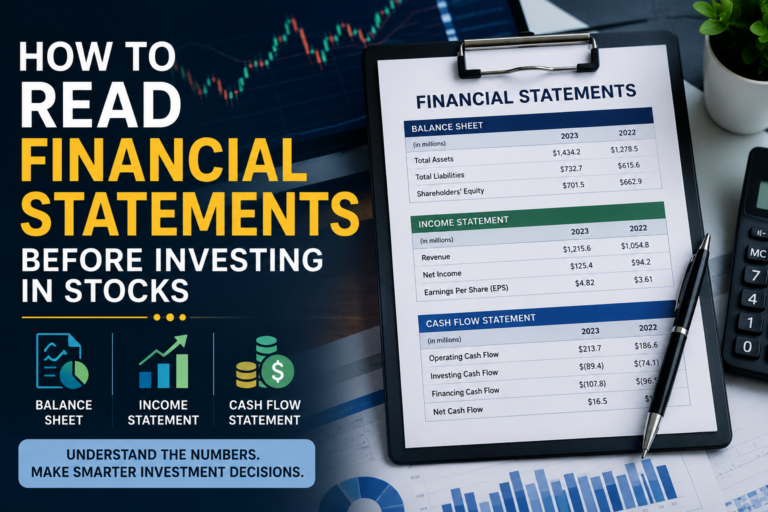
A rising share price tells you what other people are willing to pay. It tells you almost nothing about whether the business underneath is healthy. Financial statements do — and you don’t need an accounting background to read the parts that matter. This guide covers the three core statements, the handful of numbers worth checking…

Retiring early isn’t reserved for lottery winners or tech founders. It comes down to three numbers you can work out tonight: how much you’ll spend each year, what share of your income you save, and how you’ll get at retirement money before the official access age. Most early retirement guides cover the first two and…

Recessions rarely ruin a sound investment plan on their own. What does the damage is what people do during them: selling long-term holdings to cover a bill that should have been in cash, abandoning an allocation at the bottom, or piling into whatever is being sold as “safe” that month. So this guide isn’t about…

The best index fund for you isn’t the one with last year’s highest return, and it isn’t necessarily the cheapest one on a comparison table. It’s the one that fits a clear job in your portfolio, tracks a sensible benchmark closely, and is simple enough that you’ll keep holding it through a bad year. That…